The whole collection
Find your phrase.
Search by the words you heard, the meaning you remember, or simply browse the complete language library.
82 articles
B
 Back to Square One Revisited: What the Evidence Shows About Its OriginBack to square one means starting over after a setback. The earliest printed example currently located dates to 1952, and the earliest known examples link it to the board game snakes and ladders, not the popular BBC radio story. This guide weighs the evidence behind each origin theory.
 Back to Square One: Meaning, Usage, and ExamplesBack to square one means starting again after an attempt fails or progress is lost. This practical guide explains when it fits at work, in projects, plans, and relationships; how its mildly frustrated tone works; and how it differs from starting from scratch and going back to the drawing board.
 “The Ball Is in Your Court”: Meaning, Source Image, and ToneThe ball is in your court means the next response or decision is yours. The tennis image explains it, but the exact idiom chronology is not established here. Compare gentler and firmer alternatives.
 What “Ballpark Figure” Means and Where the Phrase Came FromA ballpark figure is a rough estimate useful for early planning, not a final quote or exact count. The phrase developed from the baseball-stadium sense of “ballpark” into a mid-twentieth-century way to describe numbers within a reasonable range.
 Barking Up the Right Tree: A Rare Positive VariantBarking up the right tree means following a sound lead or identifying the correct target. It is best understood as a rare, playful inversion of barking up the wrong tree, whose documented history does not establish when the positive wording first appeared.
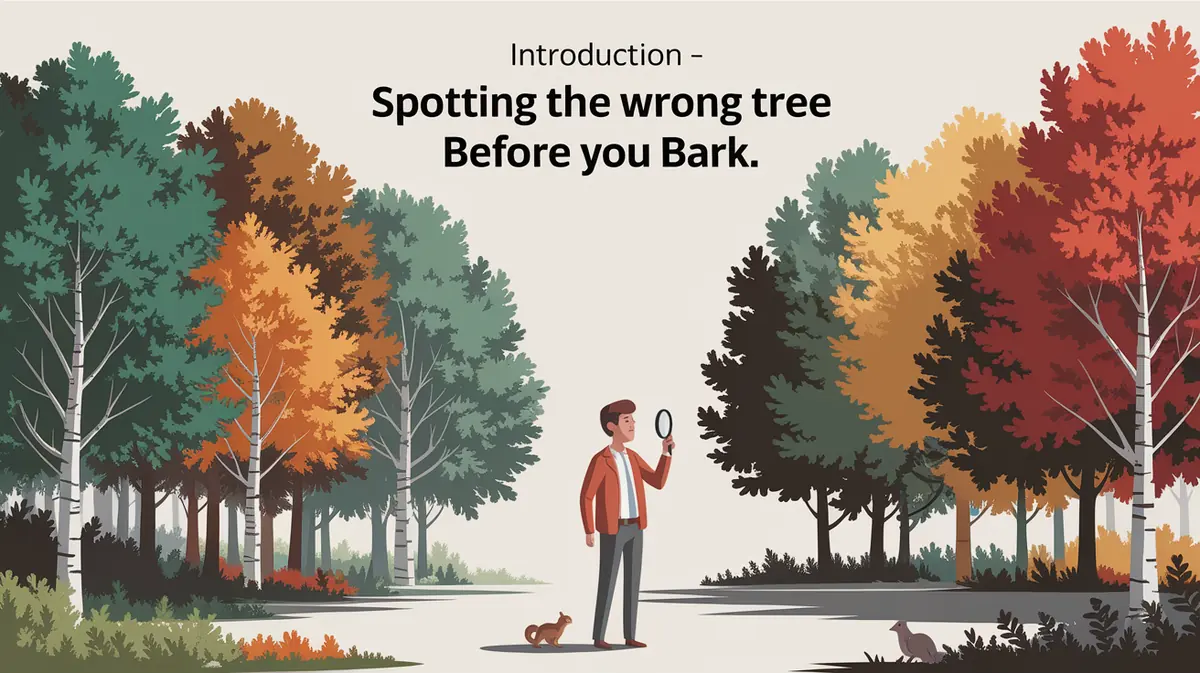 “Barking Up the Wrong Tree”: Meaning and the 1832 OriginTo bark up the wrong tree is to follow a false lead or blame the wrong person. The phrase comes from hunting-dog imagery and is documented in print from James Kirke Paulding’s 1832 novel Westward Ho!
 Bite Off More Than You Can Chew: Meaning and OriginTo bite off more than you can chew means taking on more than you can handle. The earliest located print example is American, and reference works connect the expression to plug tobacco. That origin is plausible rather than proven, while an alleged earlier newspaper example remains unverified.
 Bite the Bullet: Meaning and Evidence Behind the PhraseTo bite the bullet is to face an unpleasant but necessary action instead of delaying it. The earliest evidence links literal bullet-chewing with soldiers enduring flogging; the familiar surgery story remains unproven, and the exact route from practice to idiom is not fully documented.
 Meaning and History of “Bite the Hand That Feeds You”“Bite the hand that feeds you” means harming or turning against someone who supports you. The image is documented in Edmund Burke’s late-eighteenth-century writing, while popular links to Aesop are thematic parallels rather than proven sources of the exact English proverb.
 “Break the Ice”: What It Means and Modern Icebreaker IdeasBreaking the ice means easing the awkwardness of a first meeting. This guide covers the idiom’s meaning, its documented origin in one paragraph, and practical icebreaker ideas for work, school, and online.
 The Origin of “Break the Ice”: From Frozen Rivers to Figurative Speech“Break the ice” entered English meaning “make a beginning,” with the ice-clearing image behind it. The figurative use is recorded from 1579; the social sense of easing a first meeting developed later.
 What “Burning the Midnight Oil” Means and Where It Comes FromBurning the midnight oil means working or studying late into the night. The idiom preserves the literal image of using lamp oil after dark.
 The Origin of “Butter Someone Up”: Ghee Offerings vs. the English RecordTo butter someone up is to flatter them for a reason. The English record shows a butter-and-flattery metaphor dating to the 1600s–1700s; the popular ancient-ghee story is folklore, not documented etymology.
 What “Butter Someone Up” Means and Where It Comes FromTo butter someone up is to flatter them before asking a favor. Learn its usage and why the English butter metaphor predates the popular ghee story.
C
 Call It a Day: Meaning and Evidence for Its HistoryTo call it a day means to stop working or end an activity for now. Etymonline reports nineteenth-century attestations, while the first full dated quotation shown concerns pay for a partial day. That makes a labor-and-pay background plausible, not a proven origin.
 What a Catch-22 Situation Means and Where It Comes FromA Catch-22 situation is a no-win trap created by circular conditions: the step needed to escape also removes your eligibility to escape. The expression comes from the fictional military rule in Joseph Heller’s 1961 novel Catch-22.
 “Clear as Mud”: Meaning, the Ironic History, and Early Examples“As clear as mud” means not clear at all — an ironic phrase documented from the early 1800s. This guide covers its meaning, the 1805 and 1842 early examples, and how the joke works.
 What “Cold Comfort” Means and Where the Phrase Comes FromCold comfort is consolation that offers little real relief. Learn how the phrase moved from medieval poetry into modern English and how to use it naturally.
 Cold Turkey: Everyday Meaning, Grammar, and Safety LimitsCold turkey means stopping a habit all at once. This guide explains natural verb patterns, when the idiom is too casual, and why it says nothing about medical safety.
 Quitting Cold Turkey: Origin Theories, Goosebumps Folklore, and Medical RealityGoing cold turkey means stopping suddenly and completely. This companion guide examines the documented chronology, the origin theories including the popular goosebumps story, and the medical reality of abrupt withdrawal.
 What “Couch Potato” Means and Who Coined ItA couch potato spends long stretches of leisure time sitting, traditionally watching TV. Learn the term’s meaning, tone, 1970s wordplay, and popularization.
 “The Cream Rises to the Top”: Meaning, Tone, and When to Use ItThe cream rises to the top says that quality will eventually be noticed. Learn the dairy image, how it differs from “cream of the crop,” and when the saying can sound dismissive.
 Cry Over Spilled Milk: Forms, Meaning, and Considerate Use“Don’t cry over spilled milk” advises moving on after an irreversible loss. Compare common forms and learn when the saying helps or dismisses someone’s concern.
 Cut Corners: Meaning, the Quality Test, and Natural UsageCut corners means save effort by skipping steps that may matter. Learn how to tell a sound shortcut from a lowered standard, with examples and grammar.
 What “Cut the Mustard” Means and Where It Comes FromTo cut the mustard is to meet the required standard or perform well enough. The American idiom is old, but its exact mustard metaphor remains uncertain.
 Cutting Corners: Literal Route and Figurative HistoryHow did cutting across a corner become a criticism of skipped steps? This guide follows the literal route image and the later figurative sense.
D
 Deuce and Deuces: The Long History of a Word for Two"Deuce" has meant the two in cards and dice since the late 1400s, a tied tennis score since the 1590s, and a mild oath since the early 1700s. As "deuces," the same word became a slang farewell tied to a two-finger gesture — a modern use whose full story is only partly documented.
 What “Devil’s Advocate” Means and Where the Phrase Comes FromA devil’s advocate argues the opposing side to test an idea, not necessarily because they believe it. The phrase comes from a historical Catholic Church role.
 Don’t Cry Over Spilled Milk: Seventeenth-Century Record and Practical MeaningThe proverb appears in seventeenth-century print. Follow the reported Howell, Yarranton, and Swift examples and the difference between moving on and avoiding repair.
 Downpour: The History of the Word and Its Rise in EnglishA downpour is a sudden heavy rain. The word is a 19th-century English compound built from two much older words: down, from an Old English phrase meaning “off the hill,” and pour, recorded since around 1300.
 What “Drop the Ball” Means and How the Idiom BeganTo drop the ball is to make a mistake by failing to act, follow through, or handle a responsibility. Learn its sports image, history, and natural usage.
E
 What “The Early Bird Catches the Worm” Means and Its Earliest RecordThe early bird catches the worm means prompt preparation can win an advantage. The proverb appears in William Camden’s 1636 fifth edition—not his 1605 first edition.
 The Elephant in the Room: Meaning and OriginThe elephant in the room is an obvious, important problem that people avoid discussing. The image has an earlier Russian fable parallel, but the modern English expression has no securely identified coiner.
 What “Every Cloud Has a Silver Lining” Means and Where It Comes From“Every cloud has a silver lining” encourages hope within difficulty. Learn its careful use and the path from Milton’s image to the modern proverb.
F
 Face the Music: Early Print and Unproven Origin StoriesAn 1834 American use shows face the music already figurative. Compare the reported print record with military and theatre origin stories without treating either theory as proven.
 Face the Music: Meaning, Tone, and How to Use ItFace the music means accept an unpleasant reckoning. Learn when the phrase fits, its grammar and tone, and how it differs from owning up or facing a problem.
 “Fuzzy Wuzzy”: History, Racial Language, and the Two Meanings“Fuzzy Wuzzy” has two very different histories: a British military nickname for Hadendoa fighters in the 1880s, and a later nursery rhyme about a bear. The word is now dated and offensive, and this guide treats it as history, not as a word to use.
G
 Get Cold Feet: Meaning, Usage, and the 1893 RecordTo get cold feet is to lose courage or back out at the last moment. The figurative English sense is documented from 1893; the Italian and German stories are theories, not the documented origin.
 Getting Cold Feet: Fear, Changed Minds, and Sensible CautionGetting cold feet describes hesitation before a commitment. Learn when fear, a genuine change of heart, or new information is the better explanation, and how to speak about it fairly.
 What “Get the Hang of It” Means and Where It Comes FromGet the hang of it means learning how to do something that is not obvious at first. See its grammar, early history, and why familiar origin stories remain uncertain.
 What “Go Dutch” Means and Where the Phrase Comes FromTo go Dutch means each person pays their own share. Learn how to use the phrase clearly and what is known—and uncertain—about its historical origins.
H
 What “Hit the Nail on the Head” Means and Its Early HistoryTo hit the nail on the head is to identify or express something exactly right. A recognizable form appears in The Book of Margery Kempe around 1438.
 Hit the Road: Meaning, Usage, and Documented HistoryHit the road means to leave, set off, or resume a journey. It can sound friendly in “We should hit the road,” but the command “Hit the road!” may mean “Go away.” Nineteenth-century evidence documents travel and departure before later road culture.
J
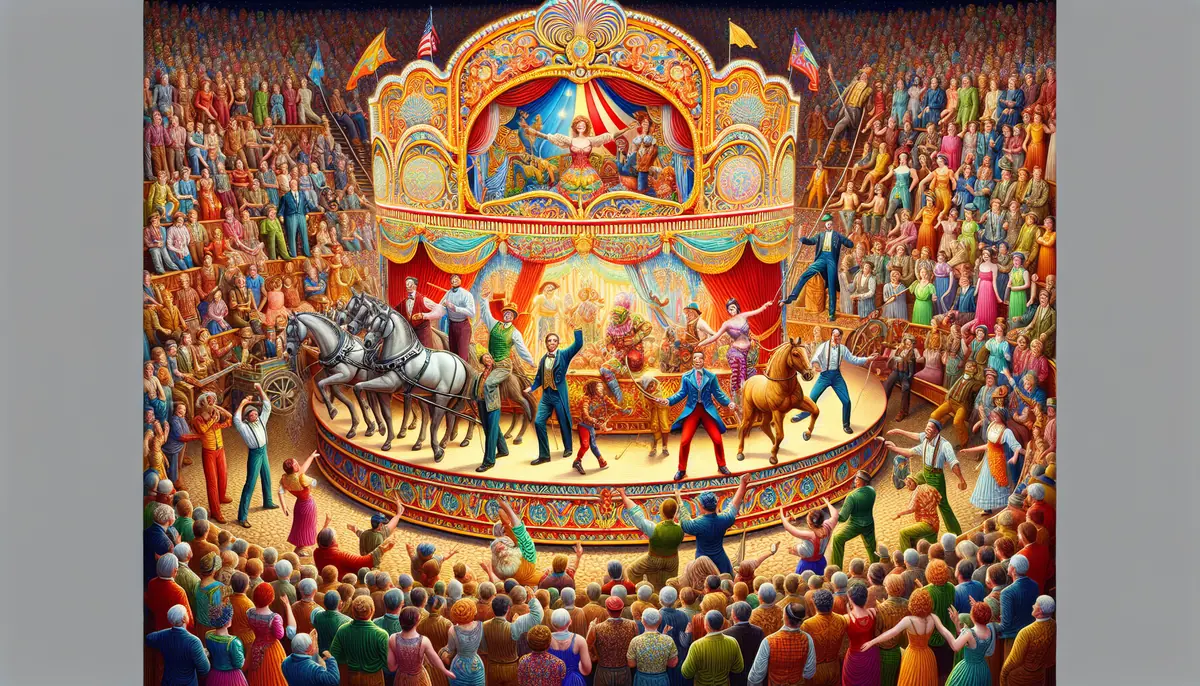 What “Jump on the Bandwagon” Means and Where It Comes FromJump on the bandwagon means joining a popular cause or trend because it is succeeding. Trace the idiom from parade wagons to politics and modern usage.
 “Jumping on the Bandwagon”: Meaning and the Bandwagon EffectJumping on the bandwagon means joining a popular trend or cause because others are doing it. Learn the idiom, the related bandwagon effect, and how to use both terms.
 Jump Through Hoops: Meaning, History, and the Circus ConnectionTo jump through hoops is to complete difficult, tedious, or unnecessary requirements before getting what you want. Literal hoop-jumping by performers, riders, and trained animals is well documented, and a 1916 figurative example invokes circus imagery, but the precise path from act to idiom remains unproven.
K
 Keep a Low Profile: Meaning, History, and EvidenceTo keep a low profile is to avoid attracting attention. The expression grew from the literal idea of a low outline into a figurative description of limited public visibility, but the evidence does not support a single proven military or political origin.
 What “Keep a Stiff Upper Lip” Means—and Its American OriginKeep a stiff upper lip means remain calm and courageous during trouble. Although strongly associated with Britain, the phrase first appears in American print.
 What “Keeping Up Appearances” Means and Why People Do ItKeeping up appearances means maintaining a polished public image even when reality is more complicated. This guide explains the meaning, social pressure behind it, and how to use the phrase naturally.
 Kick the Bucket: In Print from 1775, Origin Still UnknownKick the bucket is an informal way of saying someone has died. The phrase is documented in print from 1775 and was defined in 18th-century slang dictionaries, but the popular origin stories — a hanging, a slaughterhouse beam, holy water — all lack evidence.
 What “Kick the Can Down the Road” Means and Where It Comes FromTo kick the can down the road is to postpone a difficult decision without solving it. Learn how to use the idiom and why its exact origin remains uncertain.
L

M
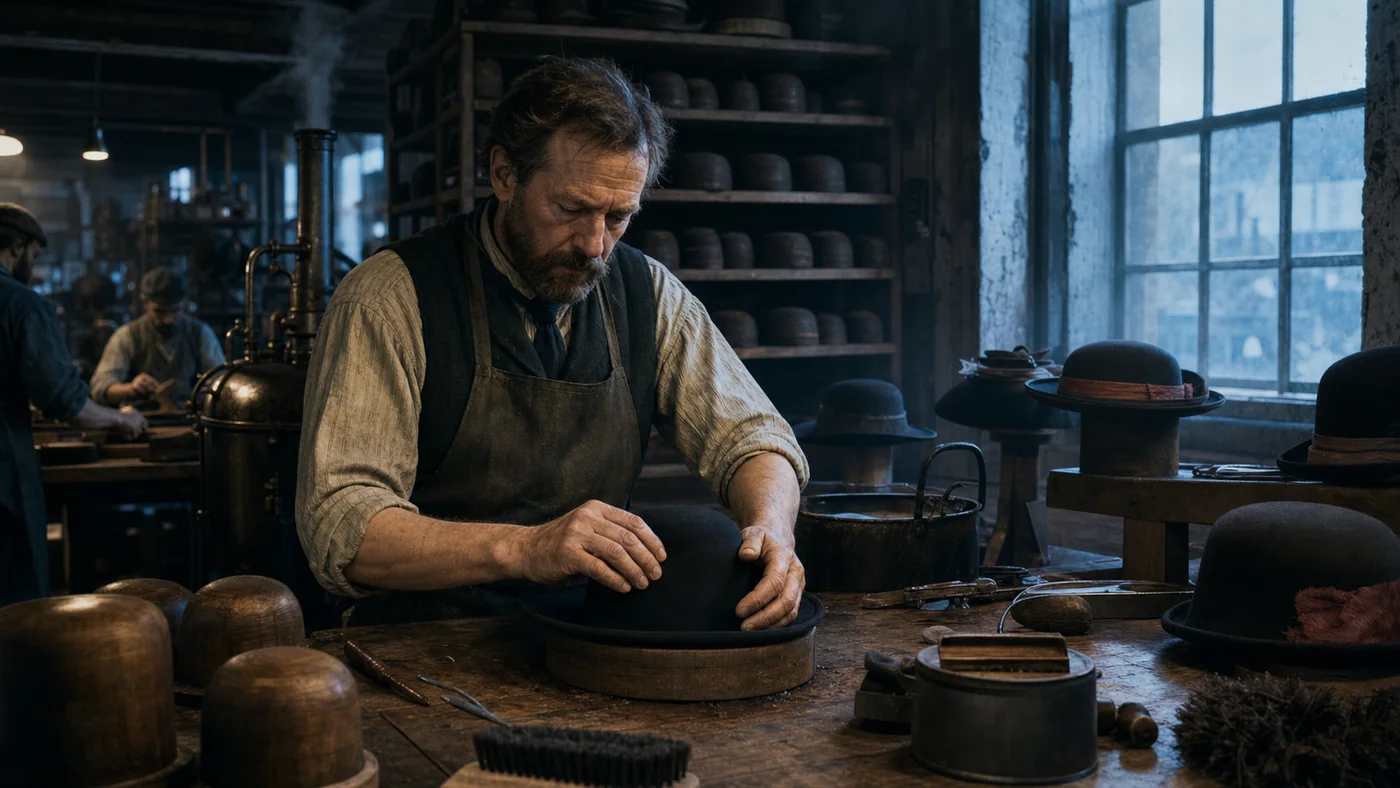 What “Mad as a Hatter” Means—and What Mercury Had to Do with ItMad as a hatter predates Alice in Wonderland. Mercury exposure made real hatters ill, though the phrase’s exact origin is less certain than the familiar story suggests.
 Make a Splash: Meaning and History of the PhraseTo make a splash is to attract sudden, noticeable attention, usually through an impressive debut or achievement. Historical evidence traces the word’s literal and figurative senses separately from the earliest phrase evidence currently located.
N

P
 Why a Police Van Was Called a “Paddy Wagon”Paddy wagon is an old term for a police transport van. Its history is tied to anti-Irish language, earlier wheelbarrow slang, and the later patrol wagon.
 “Paddy Wagon” Meaning, History, and Usage TodayPaddy wagon is an old informal term for a police transport van. Its history includes anti-Irish slang, earlier wheelbarrow usage, and later patrol wagons.
 Due Diligence and the Nonstandard Phrase “Paying Due Diligence”Due diligence is the careful investigation or level of care a situation reasonably requires. “Paying due diligence” is an understandable but nonstandard blend; formal English normally uses doing, conducting, performing, carrying out, or exercising due diligence. The standard term is old, but the variant’s origin is undocumented.
 The Proof Is in the Pudding: Meaning and OriginThe proof is in the pudding means that results reveal whether an idea, product, or plan really works. The older proverb names eating as the test; early printed evidence, the older sense of proof, and the modern shortened form explain how the expression developed.
R
 What “Raining Cats and Dogs” Means and Where It Comes From“Raining cats and dogs” means raining extremely heavily. Learn how to use the idiom, what the earliest texts show, and why its exact origin remains uncertain.
 Read the Riot Act: The 1714 Law Behind the WarningTo read someone the riot act is to give a severe warning. The idiom draws on the Riot Act 1714, a British statute whose crowd provisions commenced on 1 August 1715 and required an authorized official to proclaim that a qualifying assembly must disperse within an hour.
 What “Red Herring” Means, With Examples and OriginA red herring is a misleading clue or irrelevant distraction. The figurative expression is closely associated with an 1807 story by William Cobbett.
 The Root of the Matter: Meaning, History, and the Biblical OriginThe root of the matter is the real underlying cause or central fact. The English phrase is documented from the King James Bible of 1611, which translated a much older Hebrew expression.
 What “A Rose by Any Other Name” Means and Where It Comes From“A rose by any other name would smell as sweet” is Juliet’s argument that changing a name does not change the person or thing. Shakespeare’s wording is documented in Romeo and Juliet, while the broader question of how names relate to reality is older.
S
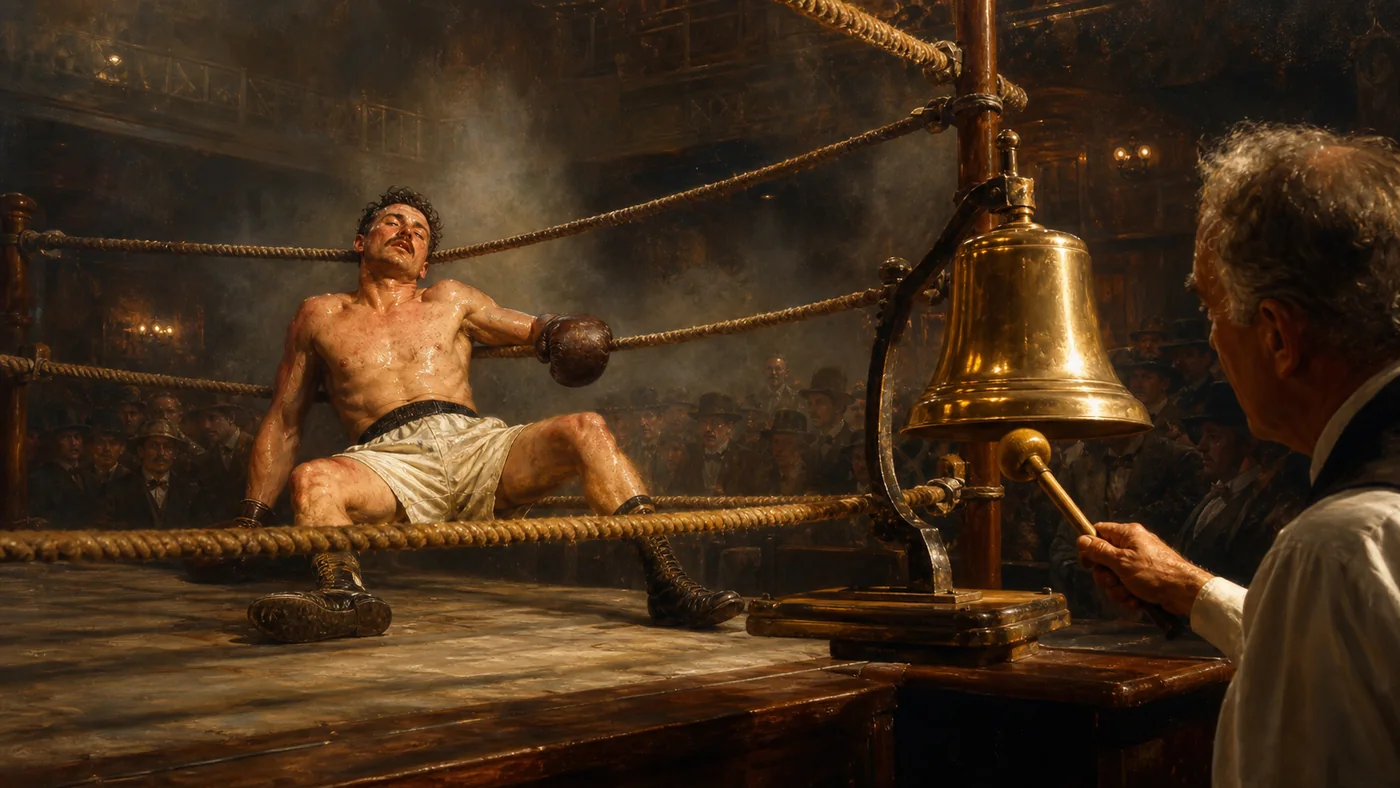 What “Saved by the Bell” Means—and Why It Comes from BoxingSaved by the bell means rescued at the last possible moment. Learn why the evidence points to boxing, how the coffin story arose, and how to use the idiom naturally.
 Why We Say “Shooting in the Dark”: Meaning, Origin, and UsageTo shoot in the dark is to act or guess without the information you need. The phrase started with the literal idea of firing without seeing the target and became a metaphor for guesswork in the 1800s.
 A Skeleton in the Closet: The 1816 Record and the Body-Snatcher StoryA skeleton in the closet is a shameful secret. The phrase is documented from 1816 in England, already used figuratively — the story about doctors hiding real skeletons is popular folklore, not the documented origin.
 “Skeleton in the Closet”: Meaning, Origin, and British VariantA skeleton in the closet is a hidden shame, scandal, or damaging secret. Learn the idiom's meaning, its 1816 printed evidence, and the British cupboard variant.
 Skeletons in the Closet: The Plural Form in Politics and Everyday Speech“Skeletons in the closet” is the plural idiom for several damaging secrets. This guide looks at how the plural form is used in politics, journalism, and everyday speech — and what the documented history actually shows.
 Spill the Beans: The History and the Greek Voting StoryWhy do we say “spill the beans”? The phrase is documented in American English from the early 1900s, and the ancient Greek voting story is folklore. This guide walks through the dated evidence.
 “Spill the Beans”: Meaning, Usage, and What the Evidence ShowsTo spill the beans is to reveal secret or private information, deliberately or by accident. The phrase is American English from the early 1900s; the ancient Greek voting story is folklore, not the documented origin.
 What “Steal Someone’s Thunder” Means—and the Playwright Behind ItTo steal someone’s thunder is to take attention or advantage away from them. The phrase remembers a playwright whose stage effect outlived his play.
T
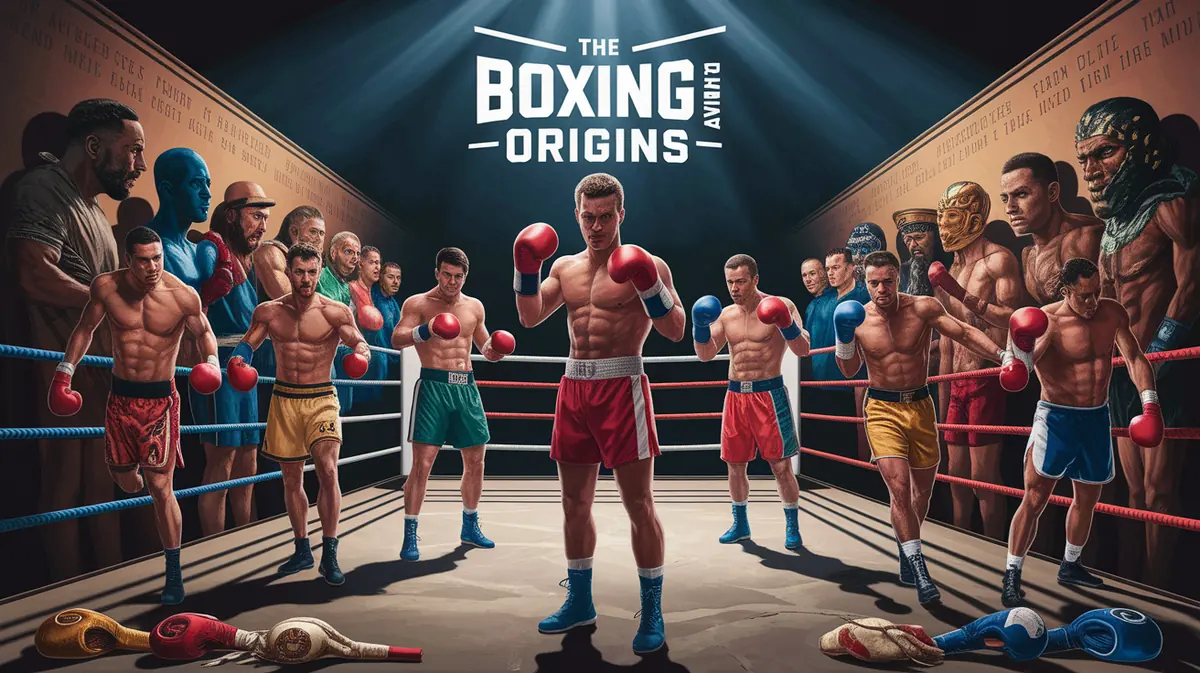 What “Throw in the Towel” Means and Its Boxing OriginTo throw in the towel is to admit defeat or stop trying. The idiom comes from boxing, where a fighter’s corner could signal that the bout should end.
 Throw Caution to the Wind: Meaning and Documented HistoryTo throw caution to the wind means to act despite known risks. Print evidence records “care to the winds” in 1837 and “caution to the winds” in 1887, but does not identify a single inventor.
 “Throw in the Sponge”: The Older Boxing Wording and Its VariantsThrow in the sponge means concede. An 1860 slang dictionary records “throw up the sponge”; later towel wording became the familiar form. This guide separates the attested forms from the plural URL wording.
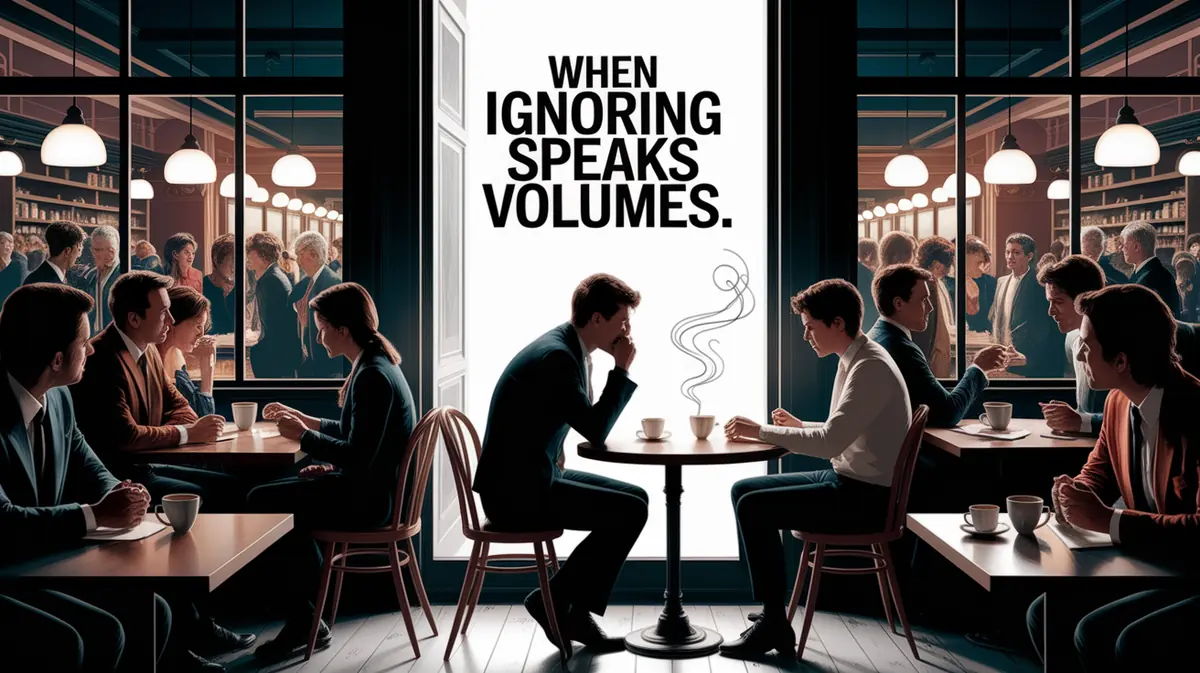 “Turn a Blind Eye”: Meaning, the Nelson Legend, and the 1800 RecordTo turn a blind eye is to deliberately ignore something you have seen. The phrase was in print by 1800, before Nelson’s famous 1801 Copenhagen anecdote — the legend popularized it, it did not create it.
 The Meaning and Origin of “Turn the Tables”To turn the tables is to reverse a disadvantage and gain the upper hand. The OED’s earliest cited quotation is in a George Chapman comedy, while the OED and Etymonline connect the image to tables or backgammon without proving a literal board-turning custom.
U
 What “Go Under the Knife” Means and How to Use ItTo go under the knife means to have surgery. Learn the idiom’s grammar, why it can sound dramatic, and what can safely be said about its origin.
 “Under the Weather”: The Documented History and the Nautical StoryFeeling under the weather means feeling unwell. The phrase is documented from 1803–1810 in American English, first for being in difficulties, and the popular sailors-below-deck story is a later explanation, not the documented record.
W
 Walking on Eggshells: Meaning and History of the PhraseTo walk on eggshells means to speak or act with unusual care in a tense situation. Older eggshell imagery and later figurative wording are documented, but the sources consulted do not identify a single inventor or event behind the modern expression.
 Why We Say “Whistleblower”: Meaning and Word OriginA whistleblower reports suspected wrongdoing from inside an organization. The word builds on blowing a whistle to call public attention to a violation.
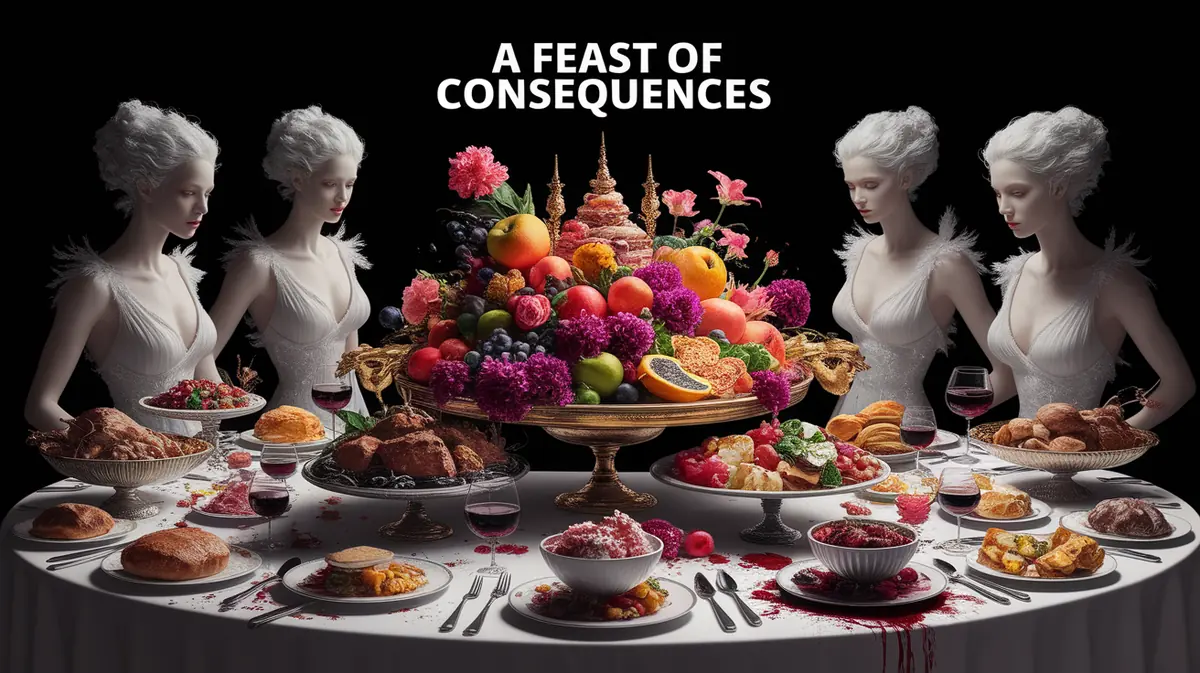 What “The Writing on the Wall” Means and Its Biblical OriginThe writing on the wall is a clear sign that failure or trouble is near. The idiom comes from the warning written during Belshazzar’s feast in Daniel 5.