Phrases
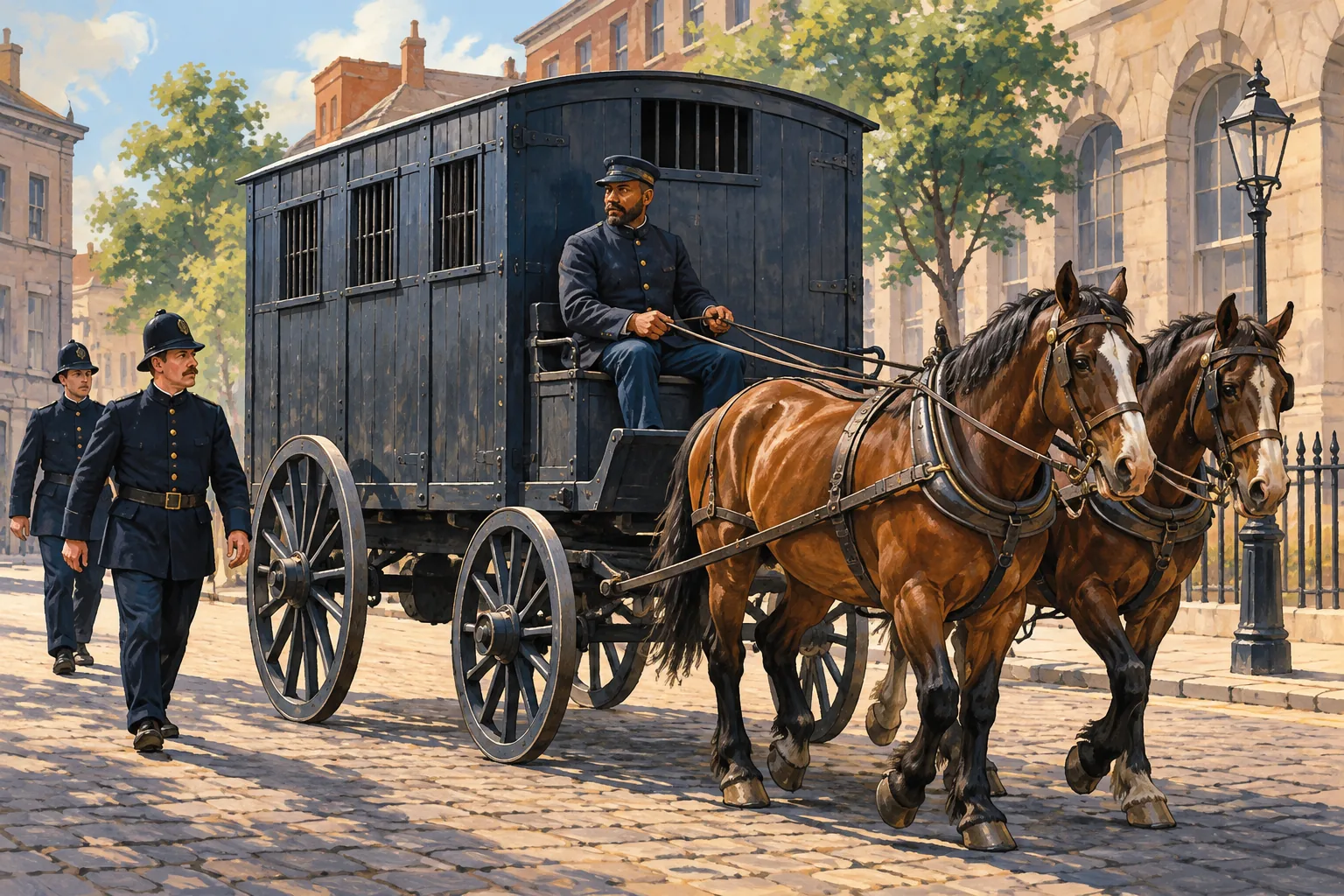
A Catch-22 situation is a no-win trap created by circular conditions: the step needed to escape also removes your eligibility to escape. The expression comes from the fictional military rule in Joseph Heller’s 1961 novel Catch-22.
6 min read
Phrases
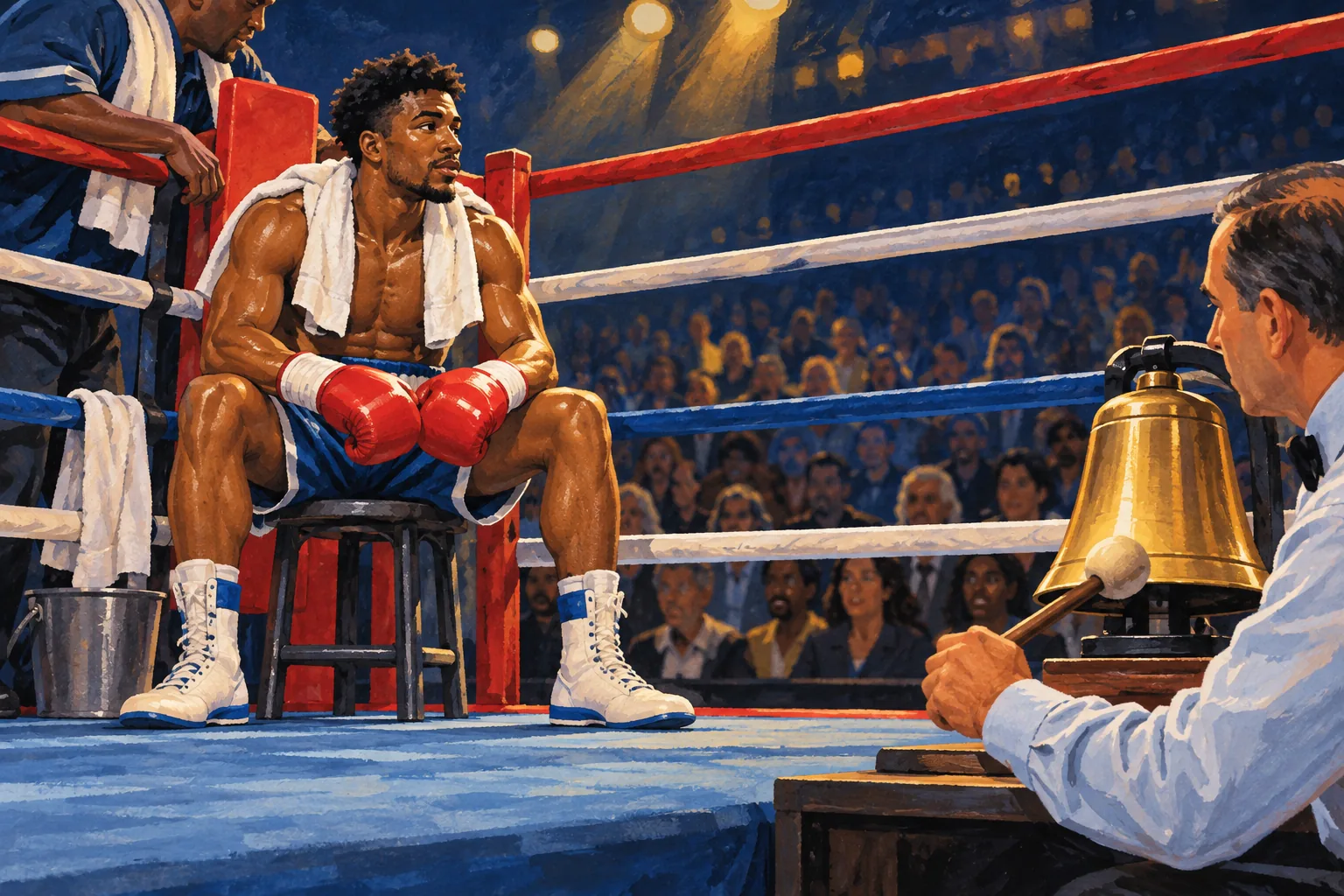
A nail in the coffin is a setback that helps end something already failing; the final nail is the decisive one. The image appears in eighteenth-century writing, while early newspaper evidence shows ‘another nail’ before the modern ‘final nail’ wording.
6 min read
Phrases
A shot in the dark is a guess or attempt made with very little information. Compare the noun and verb forms, a wild guess and an educated guess.
2 min read · Updated Oct 7, 2026
Phrases
To jump through hoops is to complete difficult, tedious, or unnecessary requirements before getting what you want. Literal hoop-jumping by performers, riders, and trained animals is well documented, and a 1916 figurative example invokes circus imagery, but the precise path from act to idiom remains unproven.
5 min read
Phrases
Due diligence is the careful investigation or level of care a situation reasonably requires. “Paying due diligence” is an understandable but nonstandard blend; formal English normally uses doing, conducting, performing, carrying out, or exercising due diligence. The standard term is old, but the variant’s origin is undocumented.
6 min read
Phrases
To walk on eggshells means to speak or act with unusual care in a tense situation. Older eggshell imagery and later figurative wording are documented, but the sources consulted do not identify a single inventor or event behind the modern expression.
4 min read