Origins / Phrases
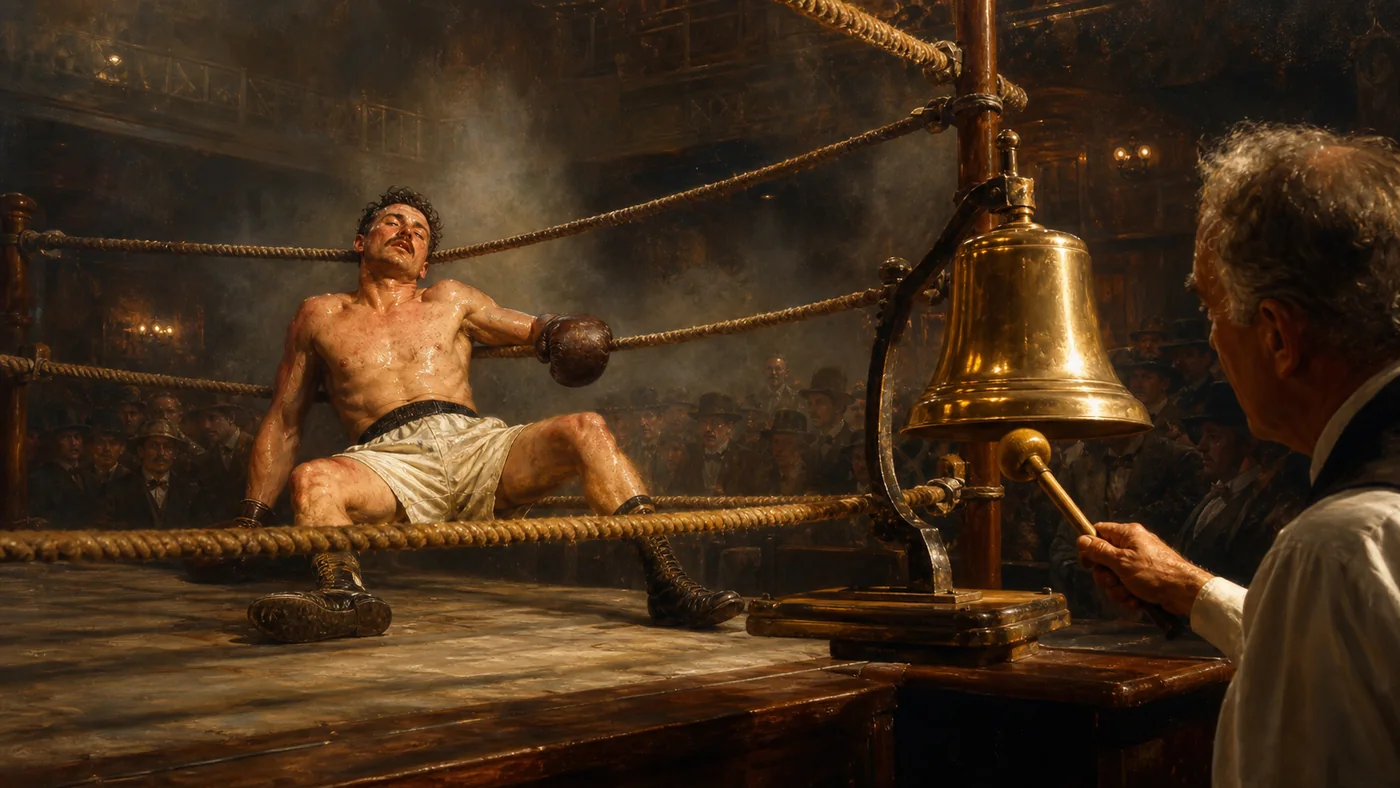
What “Saved by the Bell” Means—and Why It Comes from Boxing
Saved by the bell means rescued at the last possible moment. Learn why the evidence points to boxing, how the coffin story arose, and how to use the idiom naturally.
Collection
Origins articles from Why Do They Say That?: meanings, histories, and usage notes for familiar sayings.
Origins / Phrases
Saved by the bell means rescued at the last possible moment. Learn why the evidence points to boxing, how the coffin story arose, and how to use the idiom naturally.

Origins / Phrases
To steal someone’s thunder is to take attention or advantage away from them. The phrase remembers a playwright whose stage effect outlived his play.
Origins / Phrases
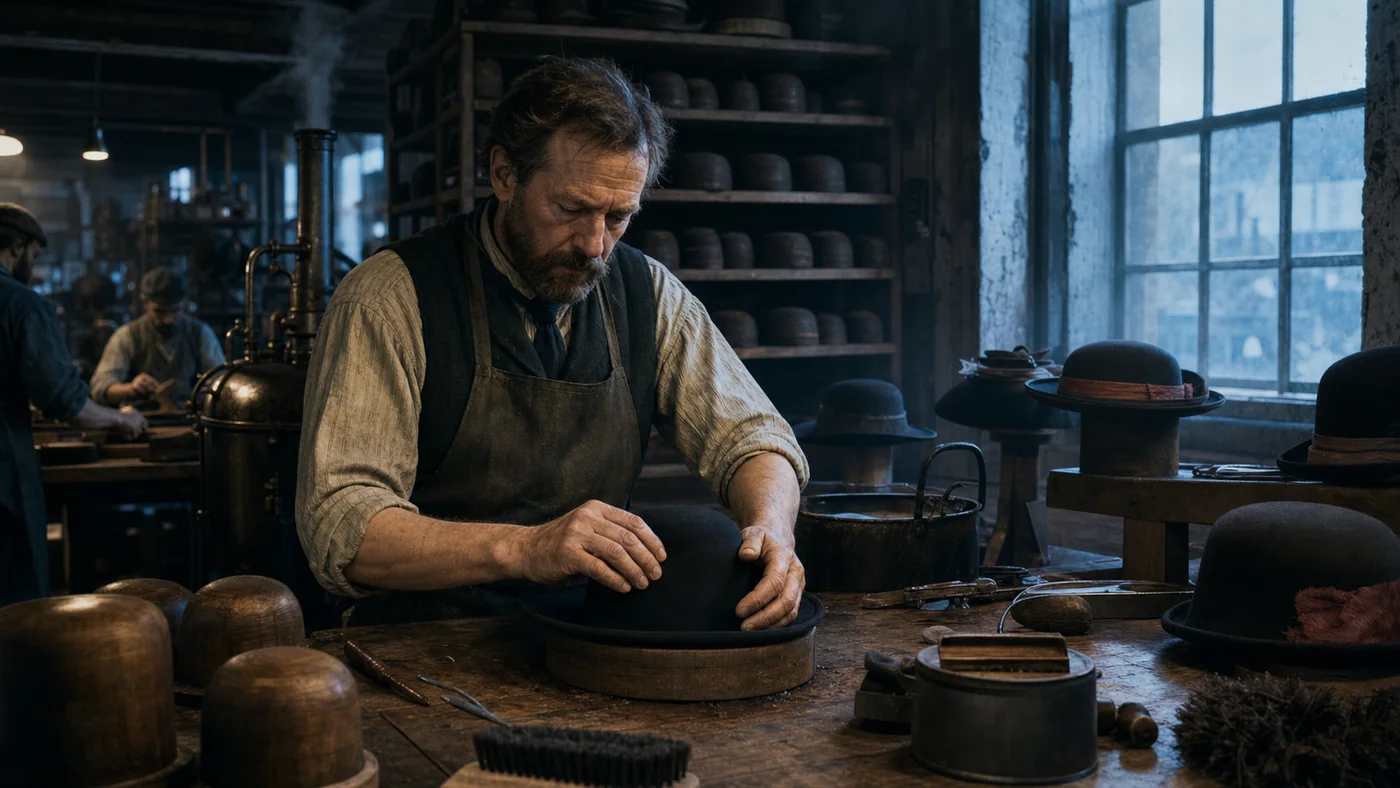
Mad as a hatter predates Alice in Wonderland. Mercury exposure made real hatters ill, though the phrase’s exact origin is less certain than the familiar story suggests.

Origins
A downpour is a sudden heavy rain. The word is a 19th-century English compound built from two much older words: down, from an Old English phrase meaning “off the hill,” and pour, recorded since around 1300.

Origins
Paddy wagon is an old term for a police transport van. Its history is tied to anti-Irish language, earlier wheelbarrow slang, and the later patrol wagon.

Origins
“Break the ice” entered English meaning “make a beginning,” with the ice-clearing image behind it. The figurative use is recorded from 1579; the social sense of easing a first meeting developed later.

Origins
An 1834 American use shows face the music already figurative. Compare the reported print record with military and theatre origin stories without treating either theory as proven.

Origins
To keep a low profile is to avoid attracting attention. The expression grew from the literal idea of a low outline into a figurative description of limited public visibility, but the evidence does not support a single proven military or political origin.

Origins
A whistleblower reports suspected wrongdoing from inside an organization. The word builds on blowing a whistle to call public attention to a violation.

Origins / Phrases
To throw in the towel is to admit defeat or stop trying. The idiom comes from boxing, where a fighter’s corner could signal that the bout should end.

Origins / Phrases
To hit the nail on the head is to identify or express something exactly right. A recognizable form appears in The Book of Margery Kempe around 1438.
Origins / Phrases
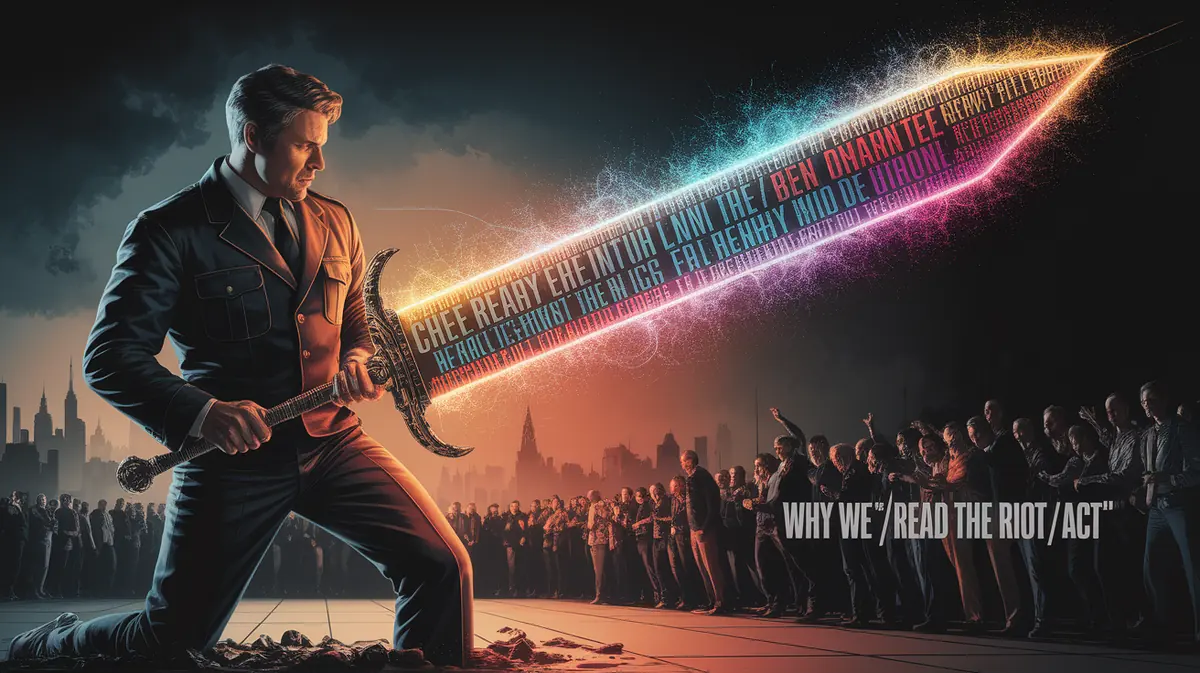
To read someone the riot act is to give a severe warning. The idiom draws on the Riot Act 1714, a British statute whose crowd provisions commenced on 1 August 1715 and required an authorized official to proclaim that a qualifying assembly must disperse within an hour.
Origins / Phrases
To turn a blind eye is to deliberately ignore something you have seen. The phrase was in print by 1800, before Nelson’s famous 1801 Copenhagen anecdote — the legend popularized it, it did not create it.
Origins / Phrases
Kick the bucket is an informal way of saying someone has died. The phrase is documented in print from 1775 and was defined in 18th-century slang dictionaries, but the popular origin stories — a hanging, a slaughterhouse beam, holy water — all lack evidence.

Origins / Phrases
A skeleton in the closet is a hidden shame, scandal, or damaging secret. Learn the idiom's meaning, its 1816 printed evidence, and the British cupboard variant.
Origins / Phrases
To bite the bullet is to face an unpleasant but necessary action instead of delaying it. The earliest evidence links literal bullet-chewing with soldiers enduring flogging; the familiar surgery story remains unproven, and the exact route from practice to idiom is not fully documented.

Origins / Phrases
“Raining cats and dogs” means raining extremely heavily. Learn how to use the idiom, what the earliest texts show, and why its exact origin remains uncertain.
Origins / Phrases
To bark up the wrong tree is to follow a false lead or blame the wrong person. The phrase comes from hunting-dog imagery and is documented in print from James Kirke Paulding’s 1832 novel Westward Ho!

Origins
"Deuce" has meant the two in cards and dice since the late 1400s, a tied tennis score since the 1590s, and a mild oath since the early 1700s. As "deuces," the same word became a slang farewell tied to a two-finger gesture — a modern use whose full story is only partly documented.

Origins
“Don’t cry over spilled milk” advises moving on after an irreversible loss. Compare common forms and learn when the saying helps or dismisses someone’s concern.

Origins
A couch potato spends long stretches of leisure time sitting, traditionally watching TV. Learn the term’s meaning, tone, 1970s wordplay, and popularization.

Origins
Hit the road means to leave, set off, or resume a journey. It can sound friendly in “We should hit the road,” but the command “Hit the road!” may mean “Go away.” Nineteenth-century evidence documents travel and departure before later road culture.

Origins
To go Dutch means each person pays their own share. Learn how to use the phrase clearly and what is known—and uncertain—about its historical origins.

Origins
“Every cloud has a silver lining” encourages hope within difficulty. Learn its careful use and the path from Milton’s image to the modern proverb.

Origins
Cut corners means save effort by skipping steps that may matter. Learn how to tell a sound shortcut from a lowered standard, with examples and grammar.

Origins
To drop the ball is to make a mistake by failing to act, follow through, or handle a responsibility. Learn its sports image, history, and natural usage.

Origins
To get cold feet is to lose courage or back out at the last moment. The figurative English sense is documented from 1893; the Italian and German stories are theories, not the documented origin.

Origins
Cold turkey means stopping a habit all at once. This guide explains natural verb patterns, when the idiom is too casual, and why it says nothing about medical safety.

Origins
Face the music means accept an unpleasant reckoning. Learn when the phrase fits, its grammar and tone, and how it differs from owning up or facing a problem.

Origins
“As clear as mud” means not clear at all — an ironic phrase documented from the early 1800s. This guide covers its meaning, the 1805 and 1842 early examples, and how the joke works.

Origins
A devil’s advocate argues the opposing side to test an idea, not necessarily because they believe it. The phrase comes from a historical Catholic Church role.

Origins
Back to square one means starting again after an attempt fails or progress is lost. This practical guide explains when it fits at work, in projects, plans, and relationships; how its mildly frustrated tone works; and how it differs from starting from scratch and going back to the drawing board.

Origins
To call it a day means to stop working or end an activity for now. Etymonline reports nineteenth-century attestations, while the first full dated quotation shown concerns pay for a partial day. That makes a labor-and-pay background plausible, not a proven origin.

Origins
Why do we say “spill the beans”? The phrase is documented in American English from the early 1900s, and the ancient Greek voting story is folklore. This guide walks through the dated evidence.